

In the world of luxury fashion, few materials inspire such fascination and craving as exotic leathers. Among the elite labels in luxury, the House of Hermes shines for its exceptional craftsmanship and extraordinary standards. Starting with the raw elegance of crocodile hides to the shiny, lively surfaces of lizard leather, the exotic leathers of Hermes luxury leathers represent not only goods, but a luxurious narrative of craftsmanship and tradition.
As we dive into the intriguing universe of the exotic skins of Hermes, we uncover the detailed methods behind sourcing, processing, and creating these luxurious materials. Every item has a narrative, showcasing the beauty of nature while embodying the core of refinement and sophistication that has become synonymous with the House of Hermes. Whether enhancing bags, accessories, or garments, these exquisite leathers elevate basic products into everlasting artifacts.
The Art of Sourcing Exotic Skins
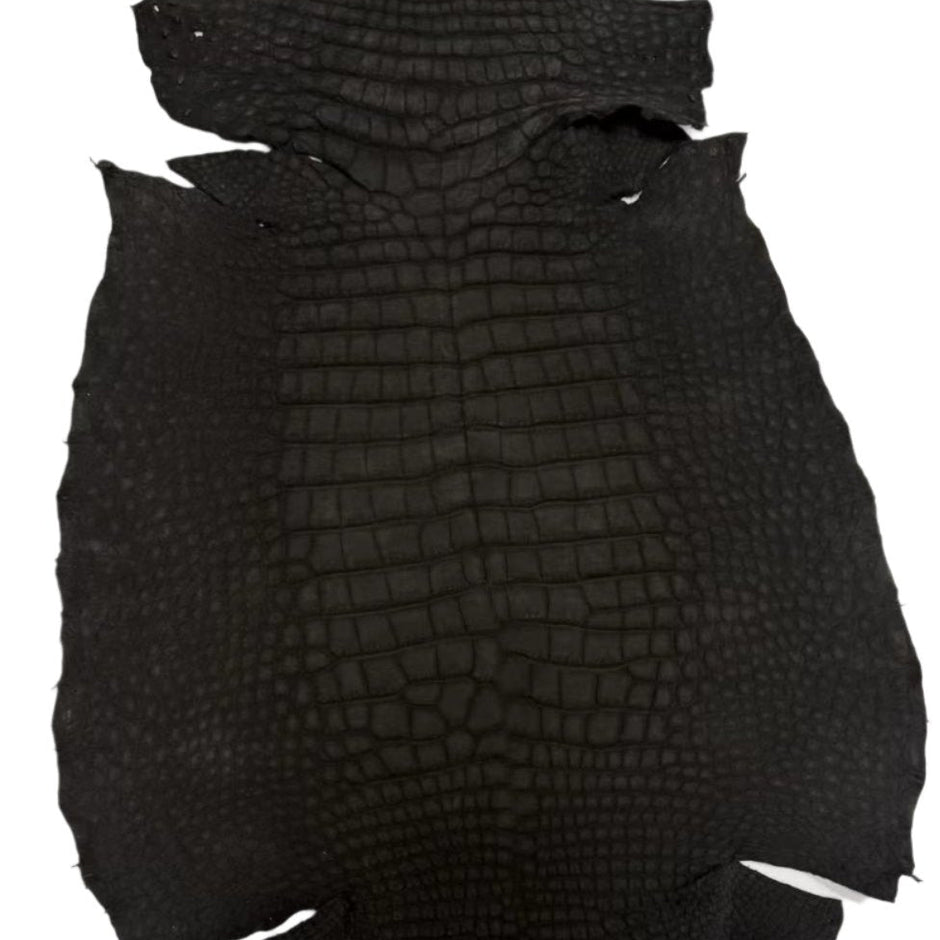
Sourcing rare leathers for Hermes products involves meticulous selection from around the globe. The brand is committed to sustainability and ethical practices, ensuring that the skins are sourced with care. Regions famous for their distinctive reptiles and various rare species are explored, where local practices are respected and observed. Each skin must meet Hermes' stringent standards for quality, feel, and look, reflecting the brand's dedication to superiority.
Once possible suppliers are identified, Hermes artisans inspect the skins in depth. They evaluate factors such as patterns, shade, and general quality to determine their appropriateness for luxury goods. This meticulous evaluation process ensures that only the finest materials make it to production. Hermes takes pride in preserving the distinct features of each skin, enabling them to narrate a story through their craftsmanship.
The partnership with vendors is crucial, as Hermes emphasizes transparency and traceability in its sourcing process. By maintaining hermesartisanbags.com with those who supply the exotic skins, Hermes not only ensures quality but also encourages a commitment to responsible sourcing practices. This strategy not only enhances the opulence of their products but also supports the conservation of the habitats from which these rare hides come.
Craftsmanship Behind Hermes Leather Goods
The artistry involved in creating Hermès leather goods is second to none. Each piece is attentively crafted by expert artisans who have completed rigorous training and apprenticeship. This dedication to craftsmanship is part of what distinguishes Hermès apart in the luxury market. The artisans utilize time-honored techniques, ensuring that every stitch, slice, and detail is executed with accuracy. Their commitment to quality is evident in the attention to detail that characterizes each item, converting leather into enduring pieces of art.
Hermes places great importance on sourcing the highest quality exotic leathers, including alligator, gecko, and emus. These materials are chosen not only for their visual charm but also for their longevity and unique texture. By working with some of the rarest hides available, Hermes ensures that each product is not just a fashion statement but also a perpetual investment. The handling and treatment of these exotic leathers require expert knowledge, as each skin has its own distinct characteristics that must be respected during the crafting process.
Finally, the finishing processes employed by Hermès elevate their products to a level of distinction. Techniques such as hand-dyeing, buffing, and leather conditioning enhance the natural beauty of the exotic skins. The final inspection is equally rigorous, with each piece carefully checked for imperfections or irregularities before it reaches the customer. This unwavering commitment to quality and craftsmanship is what has established Hermès' reputation as a leader in luxury leather goods, offering creations that are coveted worldwide.
Sustainability in the High-End Leather Sector
The high-end leather sector has progressively focused on sustainability, recognizing the environmental consequences of its methods. Brands like Hermès are pioneering efforts to source materials sustainably and confirm that their production processes reduce negative impact to the planet. This move towards sustainable practices includes using leather from creatures raised in animal-friendly settings and upholding transparency in the supply chain. By prioritizing ethical sourcing, Hermes aims to connect its product offerings with the values of eco-aware consumers.
Creativity plays a key role in enhancing sustainability within the luxury leather sector. Hermes is researching alternative methods to traditional tanning processes, which can often utilize harmful chemicals. By investing in cutting-edge technologies and techniques, the brand is striving to lower its carbon footprint and environmental impact. The use of plant-tanned leathers and reclamation efforts are part of a broader effort to embrace eco-friendly alternatives while upholding the quality and craftsmanship that define luxury.
Additionally, consumer awareness and hunger for sustainable options are prompting luxury brands to be more answerable. With increasing scrutiny from shoppers regarding the origins of their products, Hermes is dedicated to ensuring high standards of environmental stewardship. The adoption of sustainable practices not only supports the brand's tradition but also ensures its continued relevance in a changing global market that values ethical luxury.